Mountain Living
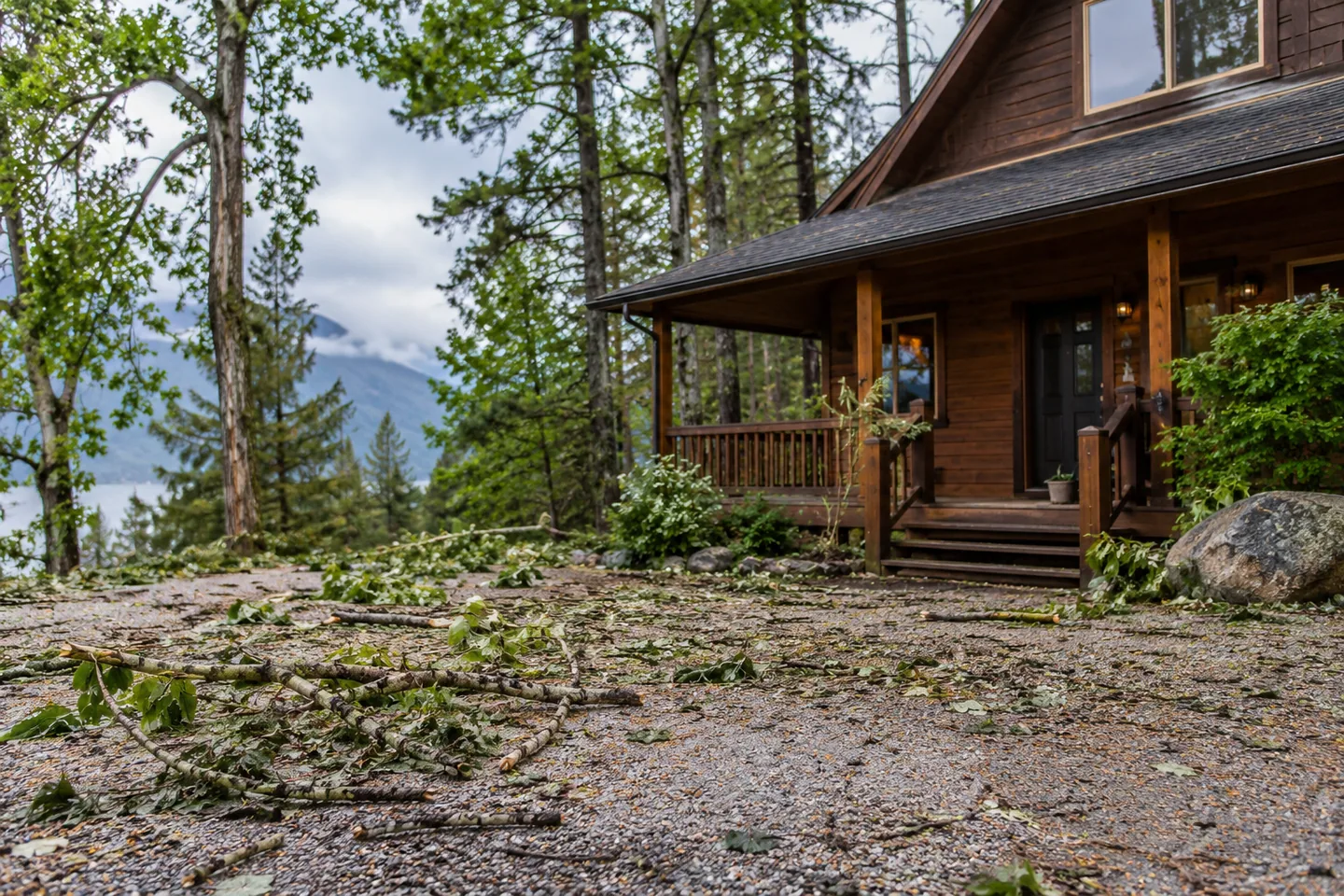
After a Windstorm at the Cabin: Observe Before Entering
Approach a cabin after a windstorm using current local guidance, safe observations and appropriate professional assessment before attempting repairs.
The Cozdena journal
Clear answers to the questions that come up when you plan an A-frame cabin.
Mountain Living
Approach a cabin after a windstorm using current local guidance, safe observations and appropriate professional assessment before attempting repairs.
Mountain Living
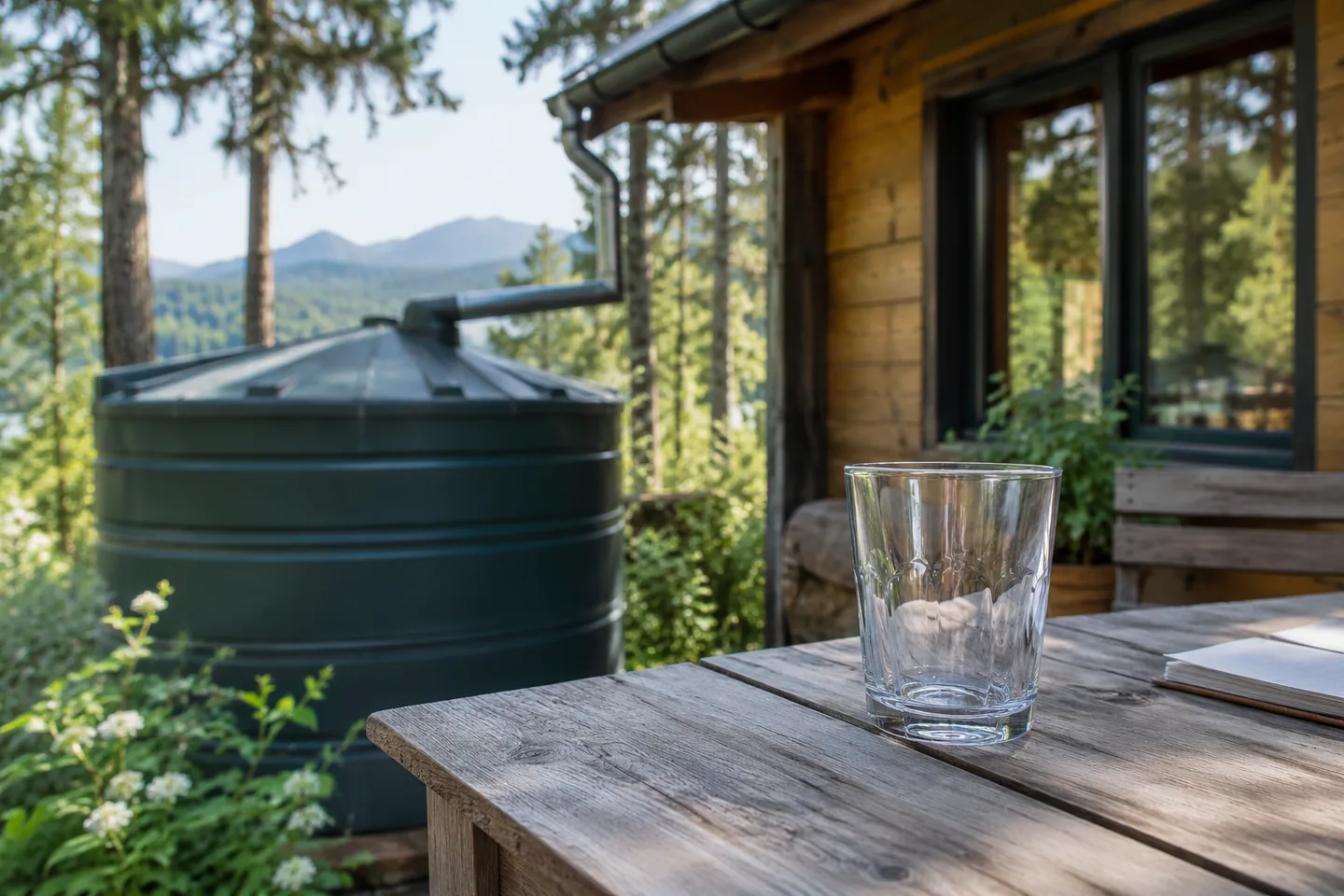
Collected rainwater is not automatically drinking water. Check local advice, testing and appropriate treatment before using it for drinking or cooking.
Mountain Living
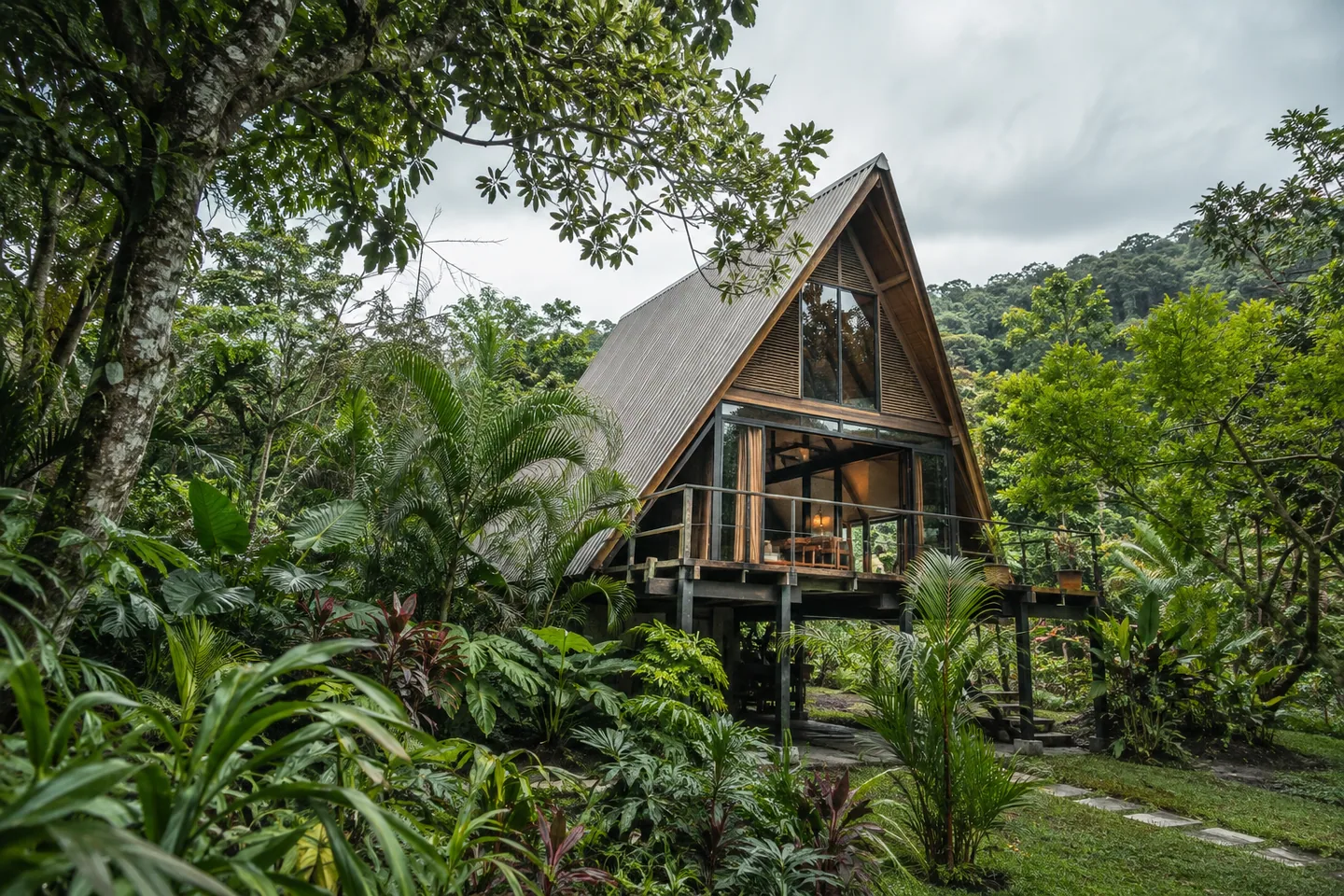
Plan an A-frame in a hot, humid climate with coordinated shading, moisture control, ventilation and cooling instead of copying a cold-weather cabin assembly.
Mountain Living
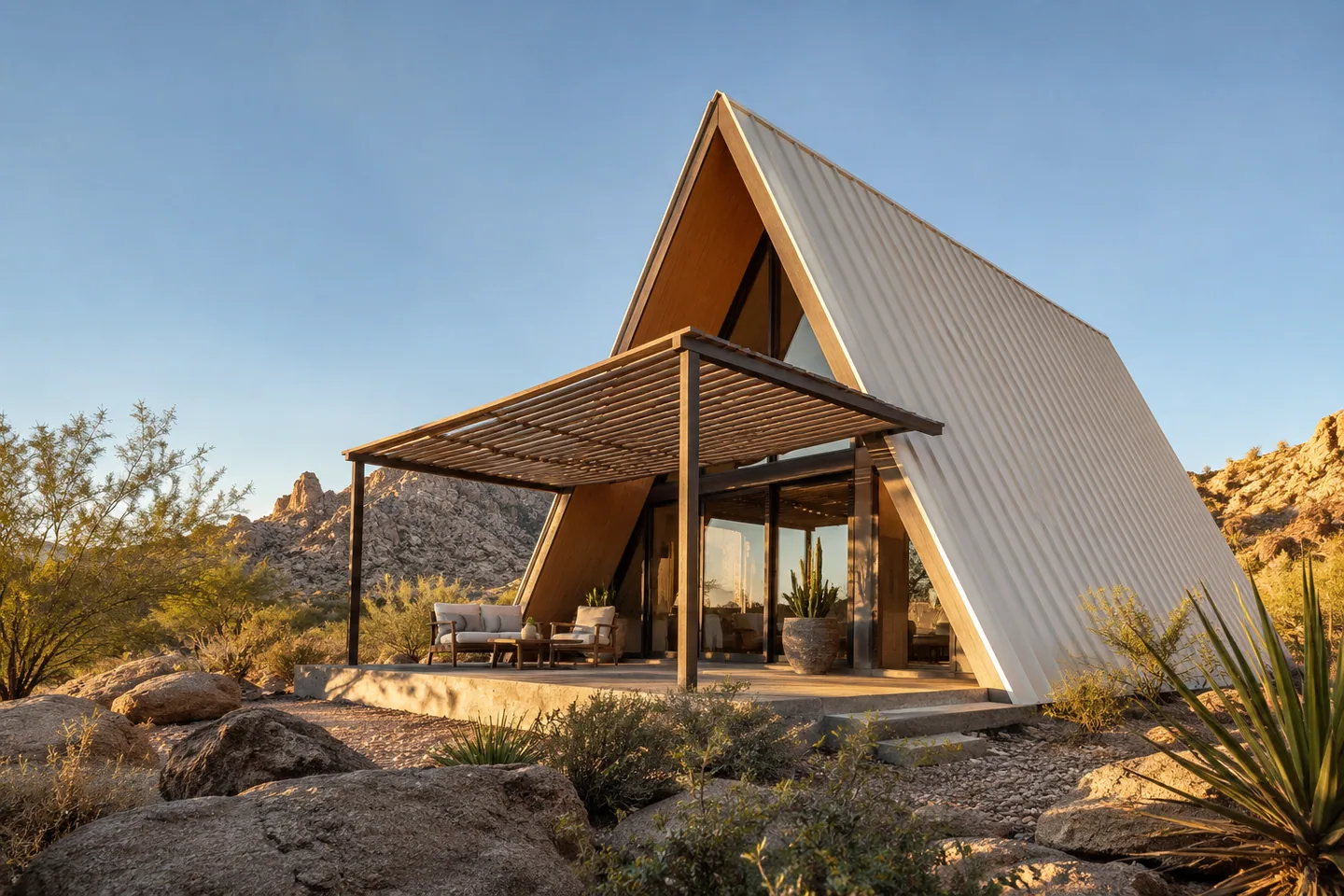
Plan an A-frame for a hot, dry climate using local daily and seasonal conditions, with shading, glazing and cooling decisions reviewed together.
Mountain Living
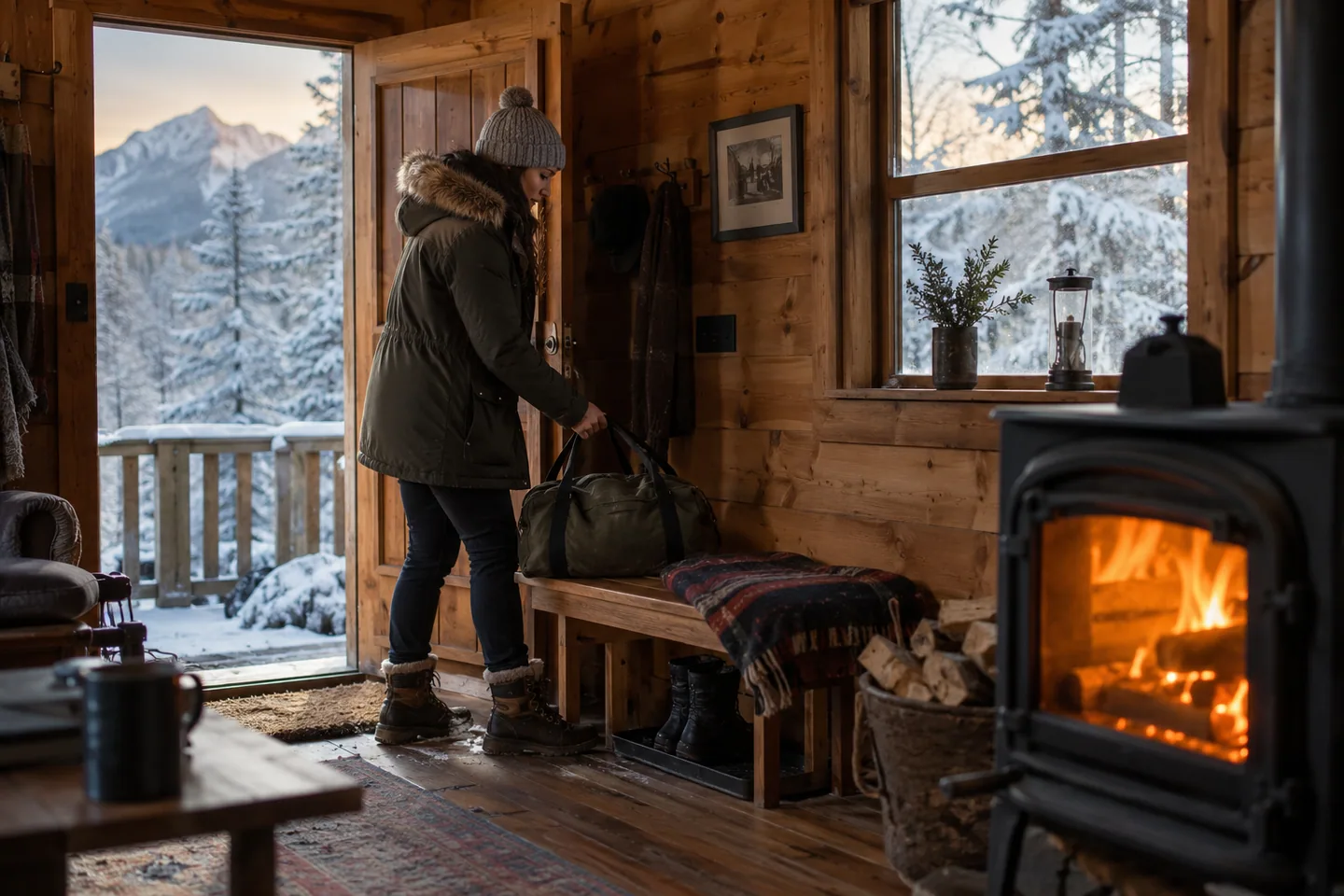
Plan cold-cabin arrivals with the installed heating system, approved operating instructions and realistic expectations, including a backup if normal heating fails.
Mountain Living
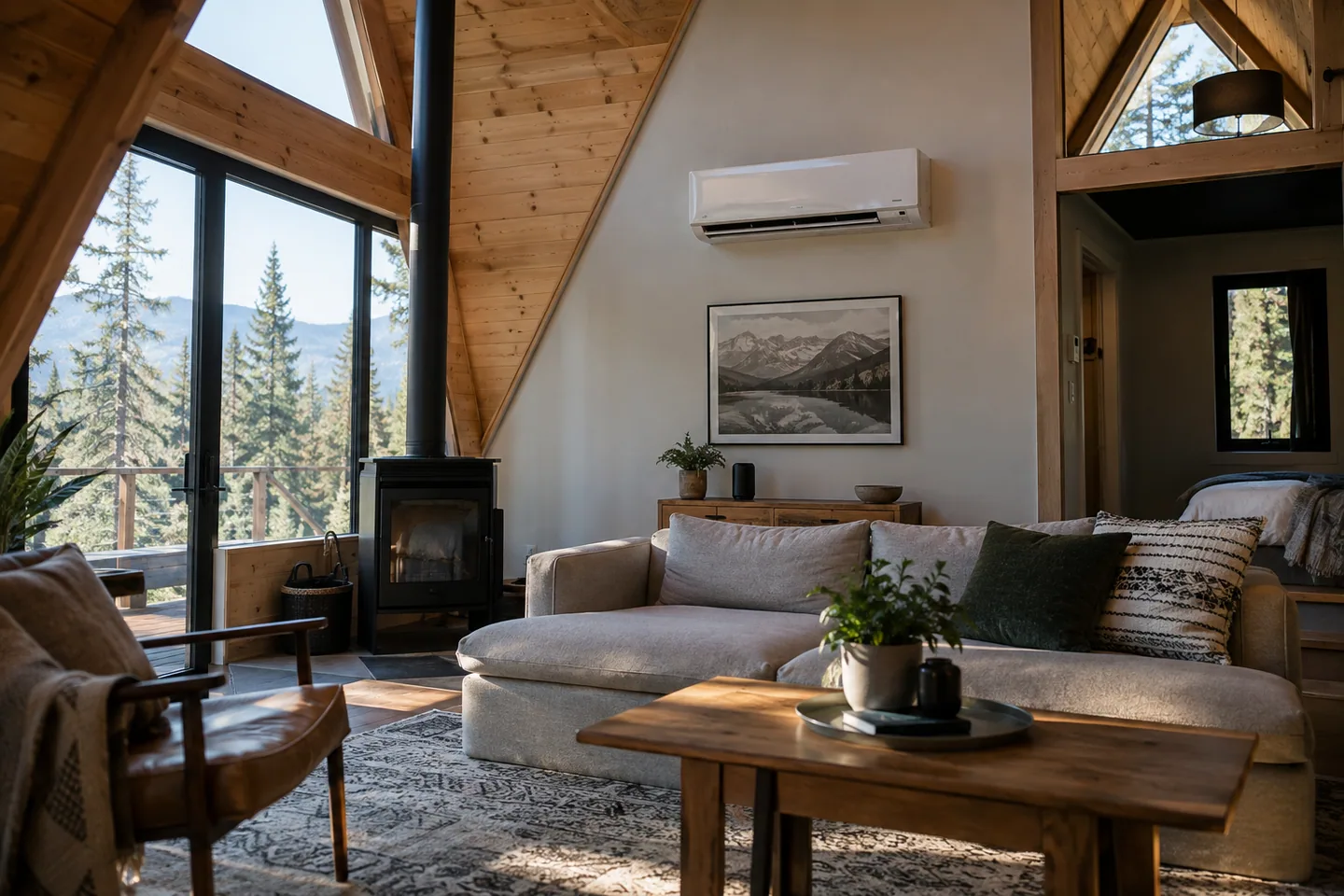
Give an HVAC professional the information needed to size an A-frame mini-split, including the envelope, climate, loft and intended occupancy pattern.
Mountain Living
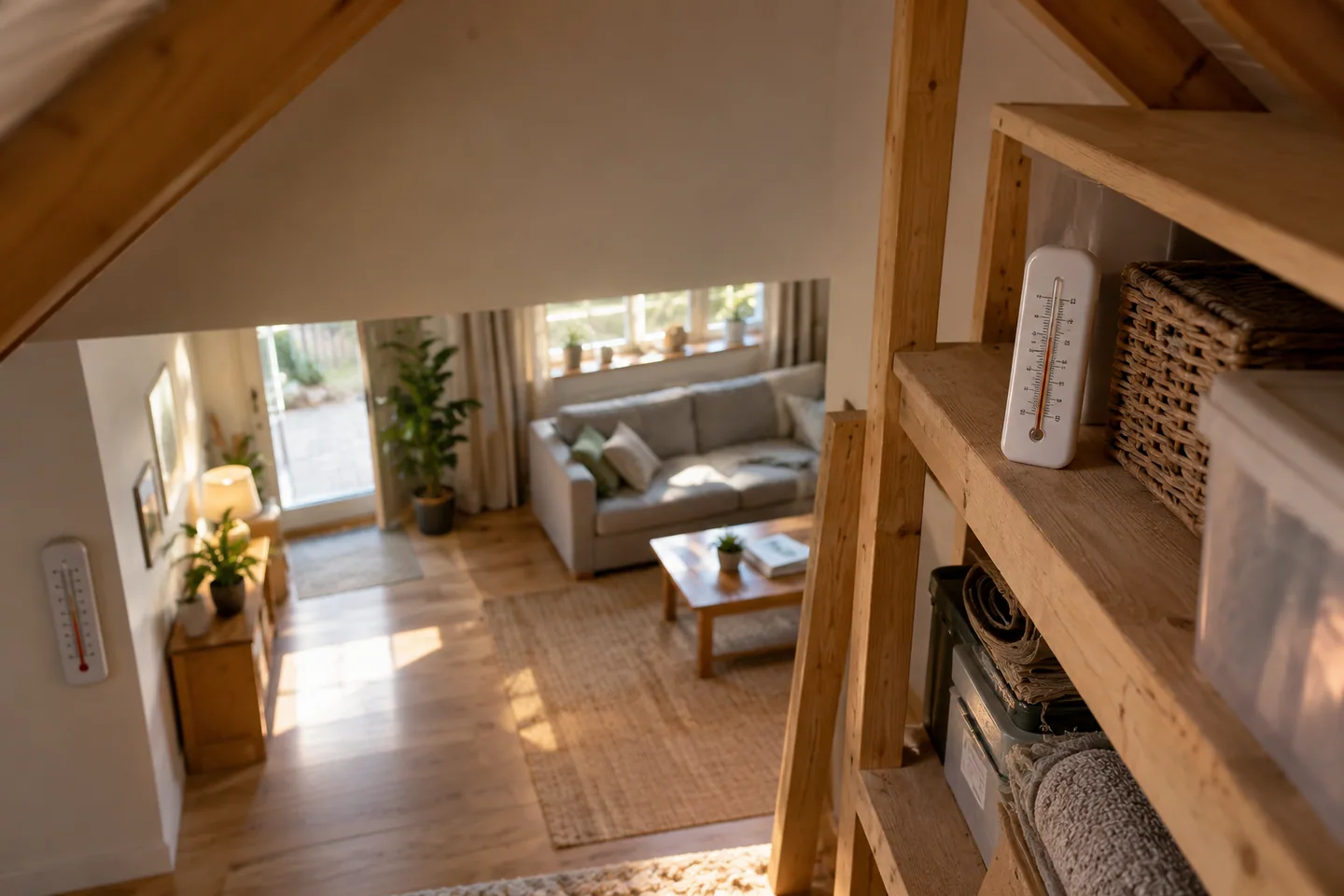
Record a cabin loft's temperature pattern alongside downstairs conditions, sun and system operation to support a more useful comfort assessment.
Mountain Living
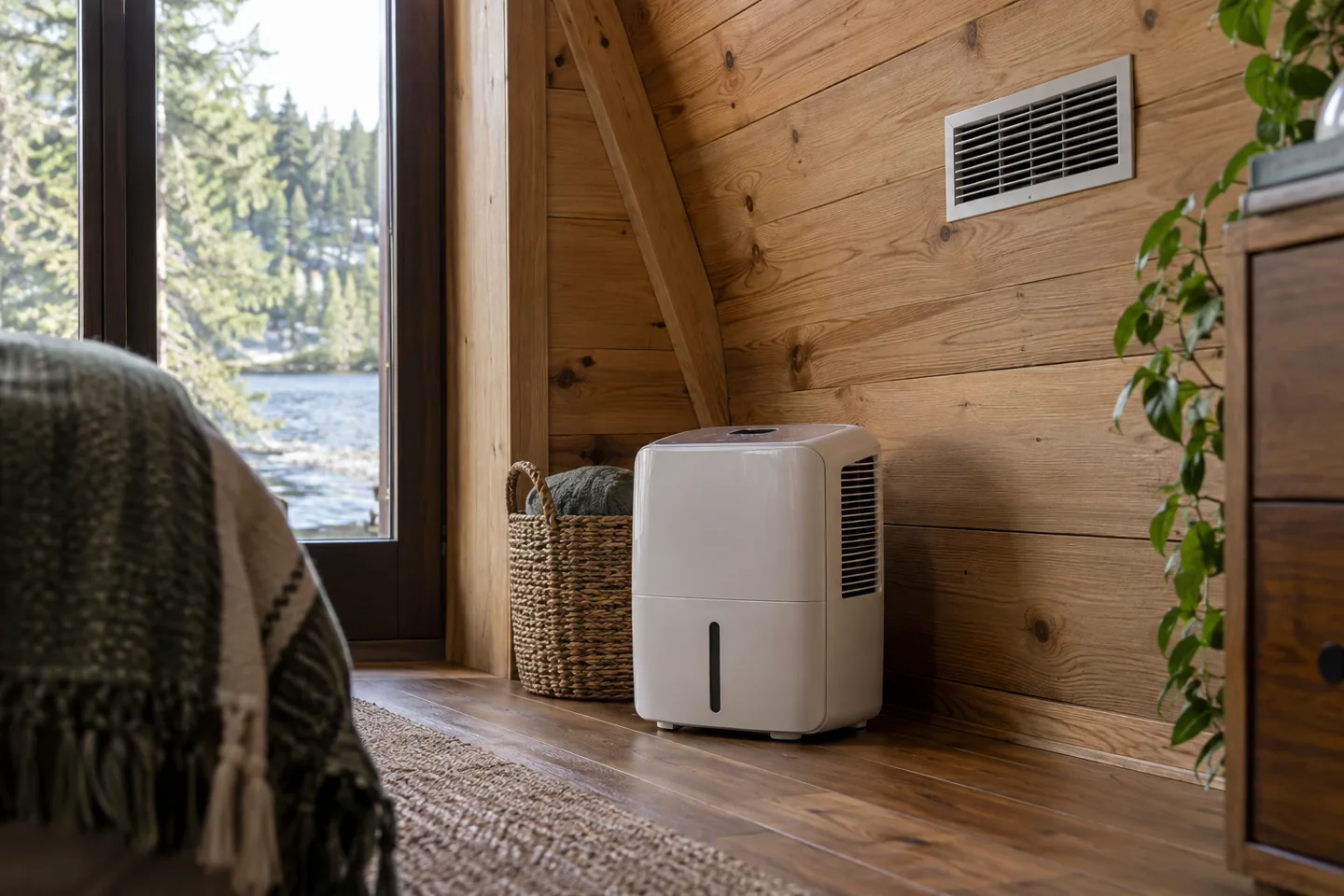
Understand the different jobs of a cabin dehumidifier and ventilation, then investigate moisture sources before treating an appliance as a complete solution.
Mountain Living
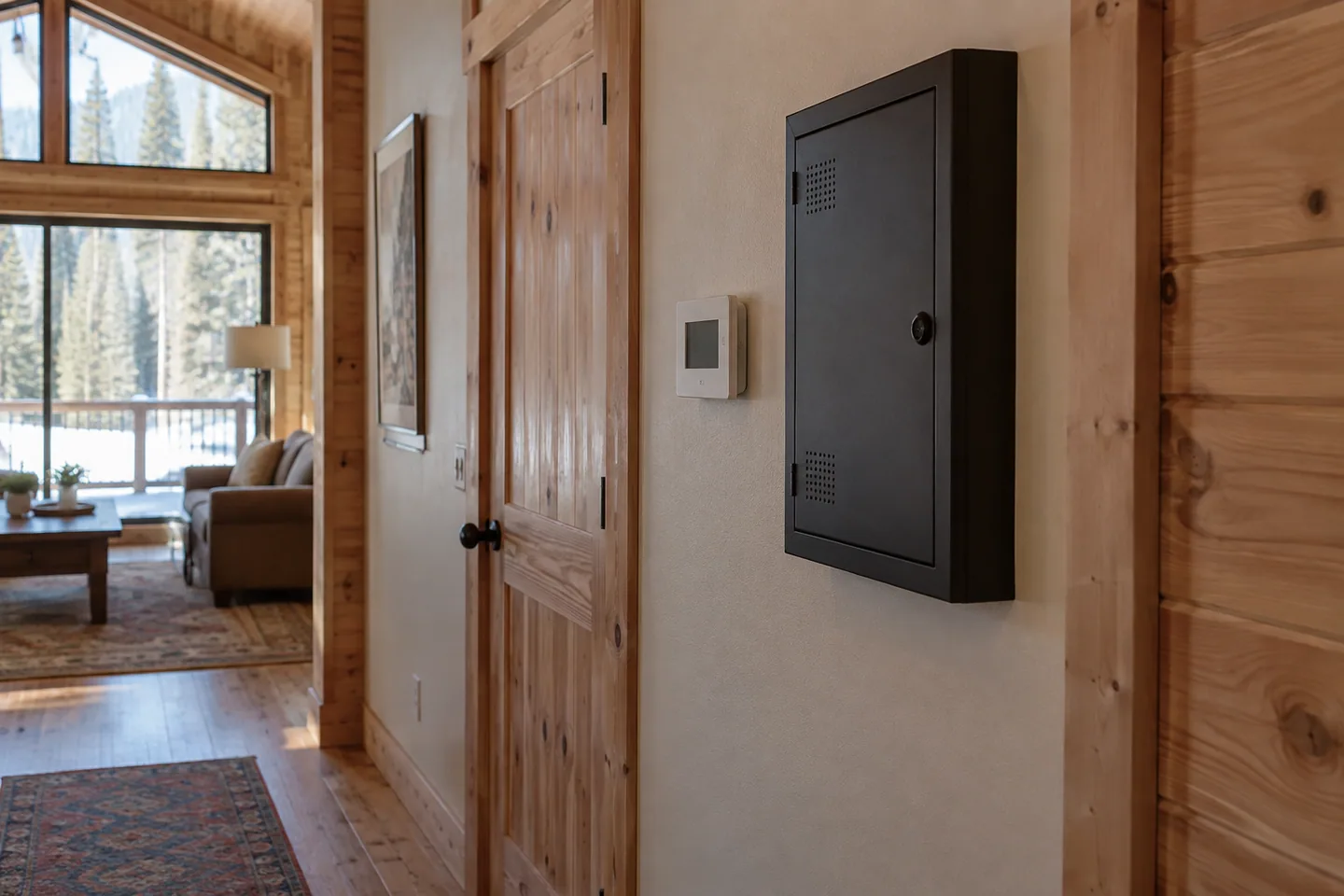
Evaluate a remote cabin thermostat by system compatibility, local operation, alerts and what happens when power or internet service is lost.