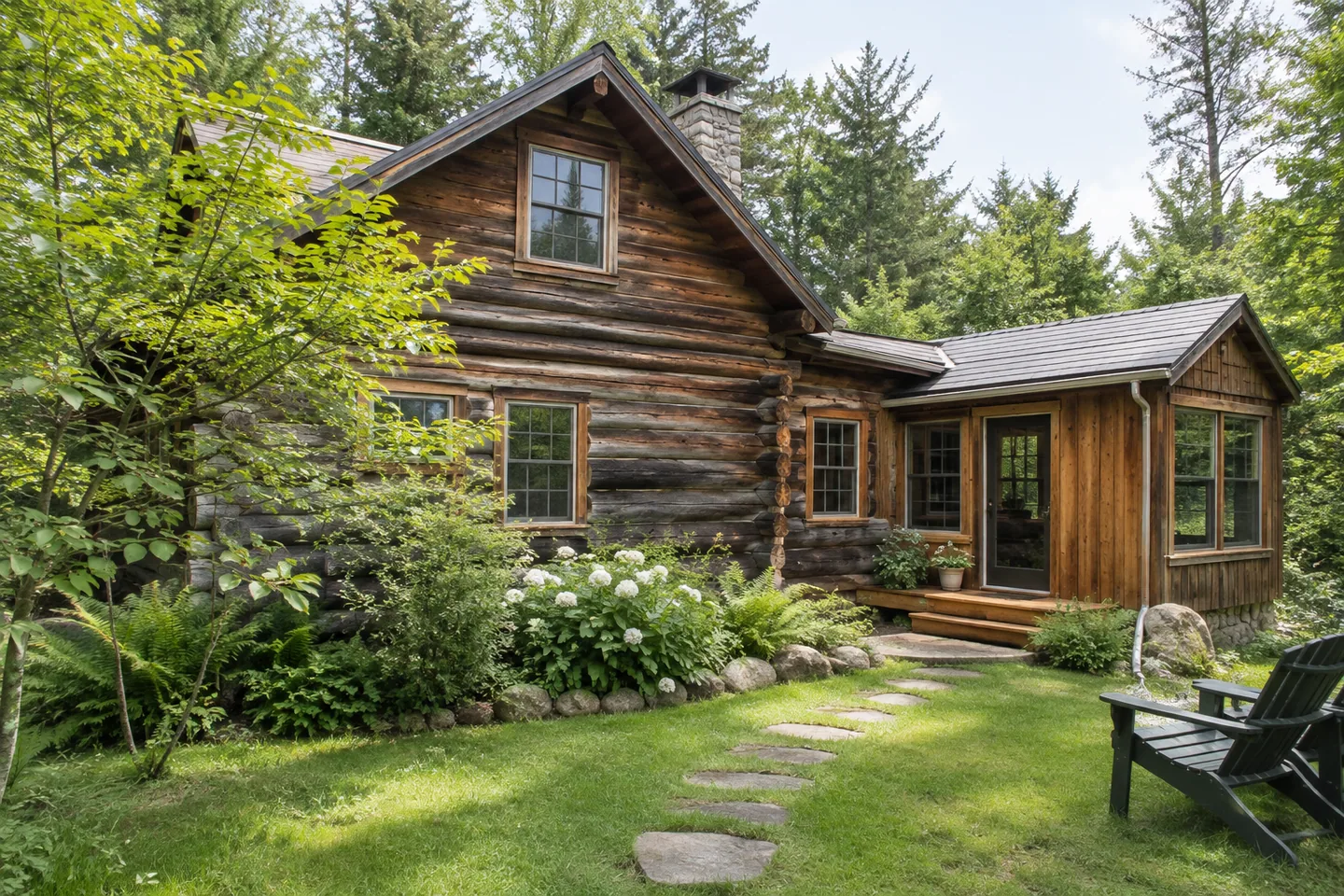
AI-generated cabin concept, used for illustration.
In this guide
When a cabin has an addition or conversion, compare the records with what exists on site. A finished room does not by itself establish how the work was designed or approved.
Describe the changed area
Ask the seller when the work occurred, what it involved and which documents are available. Look for drawings, permits, inspections and completion records appropriate to the location.
Take the exact property and proposed use to the relevant local office or professional. Requirements and the treatment of missing records vary; this article does not determine a property's legal status.
Your Home: building a house describes a general documented construction process in Australia. Use your own jurisdiction's procedures for the purchase review.
Keep condition and approval separate
An inspector may identify construction concerns, while the relevant authority or transaction professional addresses records and permissions. One favorable answer does not automatically settle the other.
For an illustrative example, an enclosed loft might be marketed as a bedroom. Ask whether its actual use, access and building arrangements have been appropriately assessed rather than accepting the listing label as confirmation.
Record unresolved items and obtain suitable advice before deciding how they affect the purchase. Do not price a paperwork issue as a trivial fee without understanding the required process and possible work.
The useful outcome is a clear account of what is documented, what has been inspected and what still needs resolution. That is more dependable than a verbal promise that similar cabins nearby have the same arrangement.